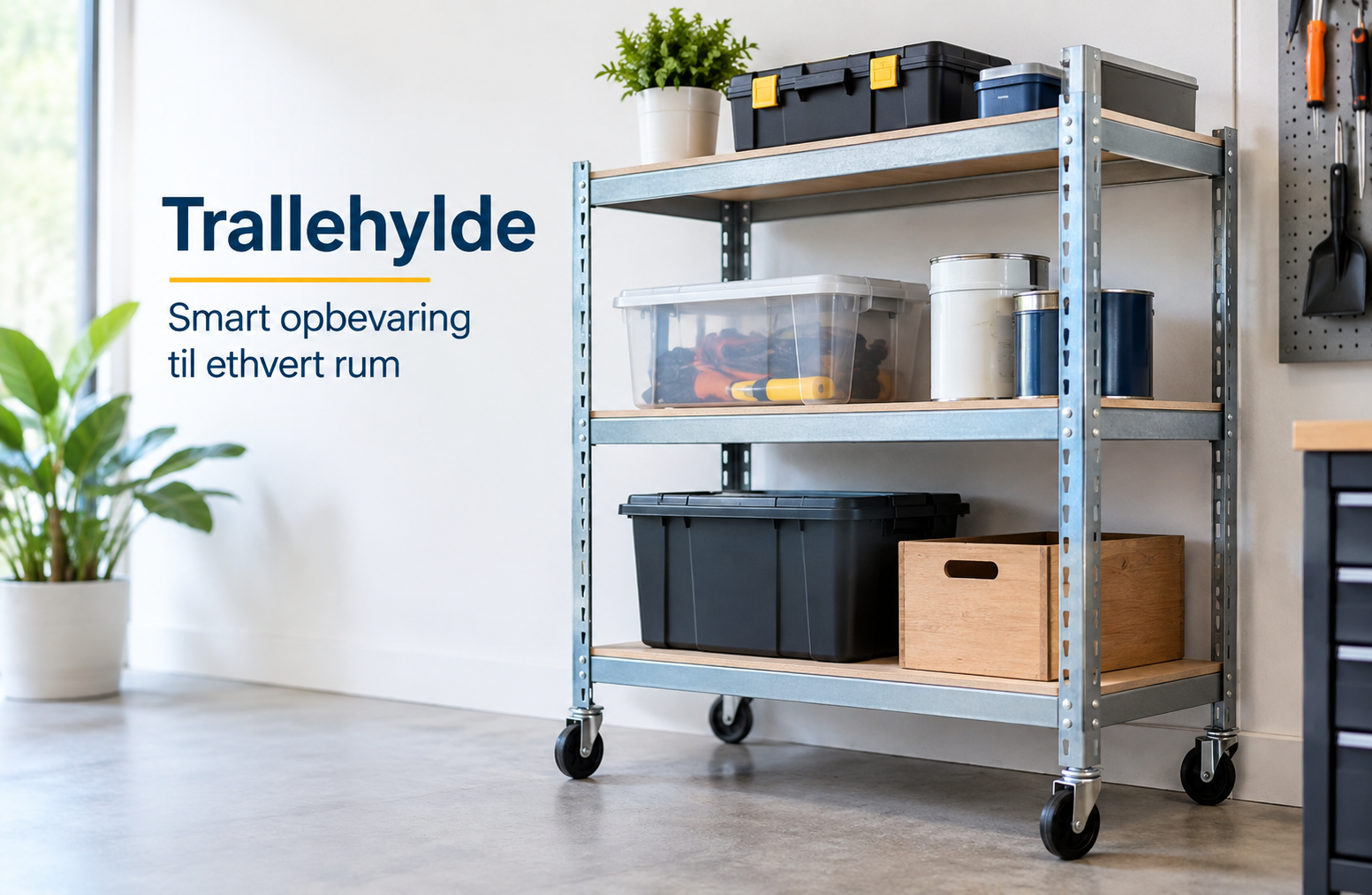
Trallehylde: A Practical Guide to Slatted Shelving, Design, and Everyday Use
A trallehylde is a practical shelving solution that combines a slatted construction with a simple, functional design. The term is Danish and is commonly understood as a shelf made from or inspired by wooden slats, although the exact design can vary depending on the product, manufacturer, and intended use. From organizing everyday household items to adding a natural touch to a balcony, bathroom, or utility room, this type of shelving offers a useful balance between appearance and function.
Choosing the right shelf involves more than finding a design that looks attractive. The material, spacing between slats, load capacity, moisture resistance, dimensions, and mounting method all affect how well it performs. A shelf that works perfectly for lightweight decorative objects may not be suitable for heavy tools, damp environments, or items that need a completely flat surface.
This guide explains what to know before buying, building, installing, or maintaining this style of shelving. It explores common uses, material choices, practical limitations, safety considerations, and maintenance methods so readers can make an informed decision based on their space and needs.
What Is a Trallehylde?
A trallehylde is a shelf characterized by a slatted or plank-based structure. In Danish, hylde means shelf, while tralle generally refers to a slatted structure or platform. Depending on the context, the term may describe a purpose-built slatted shelf, a shelf made from repurposed wooden slats, or a product inspired by the construction of a traditional wooden platform.
Unlike a conventional shelf made from one continuous board, a slatted version uses separate pieces arranged with small gaps between them. These gaps influence its appearance, weight, airflow, and suitability for different objects.
The exact meaning is not always consistent across retailers. Some products marketed with similar terminology may use solid boards, narrow wooden battens, metal frames, or a combination of materials. It is therefore important to examine the actual construction rather than relying on the product name alone.
How Does Slatted Shelving Differ from Traditional Shelves?
Traditional shelves usually provide a continuous surface. This makes them suitable for books, small containers, paperwork, and objects with narrow or uneven bases.
A slatted shelf has a different structure. Its individual boards create a more open appearance and can allow air to circulate around stored items. However, the gaps can also make it less suitable for small objects.
The main differences include:
- Surface design: Traditional shelves are generally solid, while slatted versions contain visible spaces between boards.
- Air circulation: Gaps may improve airflow around stored items, depending on the shelf’s placement and surrounding conditions.
- Appearance: Slatted construction often creates a natural, rustic, industrial, or Scandinavian-inspired look.
- Cleaning: Dust and debris can pass through the gaps, but dirt may also collect along the edges of individual slats.
- Object compatibility: Large containers and sturdy items are usually easier to store than small objects that could slip through the openings.
- Construction: The strength of either design depends on its materials, joints, dimensions, and support system rather than its appearance alone.
These differences make the design worth considering when both visual style and practical storage matter.
Why Choose This Style of Wooden Shelf?
The appeal of this design comes from its combination of practical storage and natural character. It can look simple without appearing plain, and it can provide useful storage without introducing a large piece of furniture into the room.
However, its benefits depend on how it is made and where it is installed. A well-finished oak shelf, for example, offers a different experience from a rough shelf made from reclaimed construction timber.
1. A Natural and Timeless Appearance
Wood introduces visible grain, subtle colour changes, and texture into a room. These details can soften interiors dominated by painted walls, glass, concrete, or metal.
A slatted design adds another layer of texture. The spaces between the boards create light and shadow, making the shelf appear less like a solid block.
This quality makes it suitable for several interior styles:
- Scandinavian interiors with pale wood and neutral colours.
- Rustic rooms featuring natural textures and traditional furniture.
- Industrial spaces combining wood with black metal.
- Contemporary homes that use simple shapes and restrained decoration.
- Eclectic interiors where older materials are mixed with modern accessories.
The key is to treat the shelf as part of the room rather than as an isolated decorative object. Matching the wood tone to existing furniture can create continuity, while deliberately contrasting it with the surrounding materials can make it a focal point.
2. Flexible Storage Without Taking Up Floor Space
Wall-mounted shelving uses vertical space that might otherwise remain empty. This is especially helpful in smaller homes, apartments, and narrow rooms.
A shelf above a desk can hold stationery. A unit near an entrance can organize everyday accessories. Several shelves arranged vertically can provide additional storage without requiring a large bookcase.
Before installation, consider what the shelf will hold and how often those items will be used. Everyday objects should remain easy to reach, while decorative pieces can occupy higher positions.
It is also important to remember that a wall-mounted shelf does not automatically save space in every situation. A deep shelf in a narrow hallway can interfere with movement, and a poorly positioned shelf may make a small room feel crowded.
Measure the available wall space and the depth of the objects you intend to store before choosing a design.
3. Better Air Circulation Around Certain Items
The open construction of a slatted shelf can allow air to move around stored objects. This may be useful for items that benefit from ventilation, provided that the room itself has suitable airflow.
For example, a slatted rack in a utility area can help keep some household equipment off the floor while allowing air to circulate around it. A suitable design may also be useful for outdoor accessories or garden containers.
There is an important limitation: airflow is not the same as waterproofing or mould prevention.
A shelf placed in a damp bathroom will not solve a moisture problem by itself. Wood can still absorb moisture, swell, discolour, or develop mould if conditions remain unsuitable. Any claim that an open design is automatically moisture-resistant should therefore be treated cautiously.
4. Opportunities for Repair and Customization
A simple wooden shelf can often be modified more easily than a complex piece of furniture.
Depending on the construction, it may be possible to:
- Sand rough areas.
- Apply a suitable wood finish.
- Change the colour with an appropriate stain or paint.
- Replace damaged slats.
- Adjust the arrangement of the boards.
- Reuse suitable timber in another project.
These possibilities are particularly valuable when the shelf is made from solid wood and its joints are accessible.
Repairs are not always straightforward, however. A glued assembly, a thin veneered panel, or a frame with concealed fasteners may require different tools and techniques. Before buying a product specifically because it seems easy to repair, check how its parts are connected.
5. A Potentially More Resource-Conscious Choice
Using reclaimed wood can extend the useful life of existing materials. It may reduce the demand for newly manufactured timber products, especially when the original material is recovered locally and requires limited processing.
Still, reclaimed timber is not automatically the most sustainable option. Transport, cleaning, treatment, waste, and the amount of new material needed for conversion all affect the overall impact.
A shelf made from newly sourced wood may also be a responsible choice when the timber comes from a well-managed source and the product is durable enough to last for years.
The Forest Stewardship Council explains its approach to responsible forest management and certified forest products in its official consumer information. Certification can help buyers understand sourcing claims, although it does not replace an assessment of product quality, durability, or the environmental impact of the entire product.
The most useful question is not simply whether the shelf is described as eco-friendly. Ask what the material is, where it comes from, how long it is likely to last, and whether it can be maintained or repaired.
Common Types of Trallehylde Designs
Not every slatted shelf has the same construction. Understanding the main styles helps you choose a product that matches both your room and your intended use.
Reclaimed Wooden Shelves
Best for rustic interiors and projects that emphasize the character of natural timber.
Reclaimed wooden shelves are made from previously used timber. The material may show grain variation, old fixing marks, weathering, or colour differences.
These features can give the finished shelf an individual appearance. Two pieces made from different sections of the same timber may look noticeably different.
Before using reclaimed wood, inspect it carefully. Look for rot, insect damage, deep cracks, loose fibres, and signs of contamination. Timber from unknown industrial or chemical environments should not be used for indoor furniture unless its safety can be established.
Wood recovered from outdoor structures may also have absorbed moisture or undergone treatments that are unsuitable for a particular application.
For a bedroom, kitchen, or living area, clean and well-documented material is generally easier to assess than timber with an uncertain history.
Solid Oak Shelving
Best for a refined appearance and long-term indoor use.
Oak is a hardwood known for its distinctive grain and substantial appearance. It can work well in contemporary and traditional interiors.
A slatted oak shelf can combine the visual texture of individual boards with the warmth associated with natural timber. Finishes such as clear oil can emphasize the grain, while darker treatments can create a stronger contrast with pale walls.
Oak is often more expensive than common softwoods, so it is worth deciding whether its appearance and durability justify the additional cost.
Also check whether a product uses solid oak throughout or only an oak veneer or decorative surface. Both can be useful, but they differ in repair options, edge construction, and resistance to deep scratches.
Pine and Other Softwood Shelves
Best for budget-conscious projects and straightforward DIY construction.
Pine is widely used for household shelving because it is relatively easy to cut, drill, sand, and finish.
Its lighter colour can suit bright interiors, and knots can add a rustic quality. It is also a practical material for people who want to build a shelf with basic woodworking tools.
The main limitation is that softer timber can dent or scratch more easily than harder wood. It may also contain knots that affect how fasteners should be positioned.
For everyday household use, pine can perform well when the boards are appropriately sized, the joints are sound, and the shelf is installed correctly.
Metal-Framed Slatted Shelves
Best for utility areas and interiors that combine wood with industrial details.
Some designs pair wooden slats with a metal frame. The frame provides a structural base, while the timber supplies the visible surface.
This combination can be useful in workshops, storage areas, kitchens, and contemporary living spaces.
The frame itself does not guarantee strength. Its thickness, joint quality, attachment points, and mounting hardware all matter. Thin decorative metal can look substantial without being suitable for heavy loads.
Check the manufacturer’s load rating for the complete assembly rather than judging capacity from the appearance of the metal alone.
Freestanding and Wall-Mounted Models
These two arrangements serve different purposes.
A wall-mounted shelf keeps the floor clear and can be useful where space is limited. Its performance depends on the wall structure, brackets, fasteners, and the shelf itself.
A freestanding unit can be moved more easily and may offer several storage levels. However, it occupies floor space and can present a tipping hazard if it is tall, narrow, or heavily loaded near the top.
For a tall freestanding unit, follow the manufacturer’s instructions for stability and anchoring, particularly in homes with children.
Where Can You Use This Type of Shelf?
One of the strongest advantages of a slatted wooden shelf is its adaptability. The right application depends on the surface spacing, finish, mounting system, and environmental conditions.
Living Room
In a living room, the shelf can display framed photographs, small plants, ornaments, and selected books.
The most effective arrangements usually leave some empty space. Filling every available gap can make a shelf look cluttered and can hide the material’s natural texture.
A simple approach is to combine three kinds of objects:
- One or two taller objects to establish height.
- A small group of medium-sized decorative pieces.
- A few low objects that keep the arrangement visually balanced.
If the slats are widely spaced, place small items on a stable tray or a suitable solid insert. Do not assume that a decorative tray will improve the shelf’s structural capacity.
When installing shelving above a sofa or seating area, make sure the mounting system is appropriate and that objects cannot easily fall onto people below.
Kitchen
A slatted shelf may provide storage for lightweight accessories, selected containers, or decorative kitchen items.
However, kitchens introduce heat, grease, water, and frequent cleaning. These conditions can affect timber and its finish.
For everyday food storage, consider whether the surface can be cleaned thoroughly. Gaps between boards may collect crumbs, spills, and cooking residue.
A solid, washable shelf may be a better choice for spices, flour containers, or frequently used cooking ingredients. A slatted design may work better for larger decorative items or equipment stored away from direct splashes and cooking heat.
Avoid positioning untreated wood where it is regularly exposed to standing water. If the shelf is installed near a sink, choose a finish suitable for the expected exposure and wipe up spills promptly.
Bathroom
A wooden shelf can introduce warmth into a bathroom that otherwise contains ceramic, glass, and metal surfaces.
It can hold lightweight toiletries, folded towels, or decorative accessories, but material selection is especially important.
Consider the following factors:
- How frequently the room experiences condensation.
- Whether the shelf is exposed to direct splashes.
- How well the bathroom is ventilated.
- Whether the wood is sealed on all relevant surfaces.
- Whether metal fittings resist corrosion.
- How easily the shelf can be dried and cleaned.
A water-resistant finish may help protect timber, but it does not make every type of wood suitable for a persistently wet environment.
Avoid installing a shelf where water collects between the slats or where moisture becomes trapped against a wall. In a shower area or another location with regular direct water exposure, use a product specifically designed for that environment.
Bedroom
In a bedroom, this shelving style can provide storage for small accessories, decorative objects, or lightweight everyday items.
A narrow shelf beside a dressing area may hold a watch, jewellery dish, or a few personal items. Above a desk, it can keep stationery within reach without taking up the working surface.
For a bedside installation, consider the height carefully. A shelf that sits too close to a pillow or mattress can become inconvenient and may create a hazard if objects fall.
If you plan to store books, use a design with a suitable continuous surface and a verified load rating. Widely spaced slats may not support smaller books evenly.
Hallway and Entryway
Entryways often collect keys, sunglasses, mail, bags, and other everyday items.
A slatted shelf can provide a visual landing place for selected accessories, particularly when paired with hooks or a small storage container.
The important issue is depth. A shelf that projects too far into a narrow corridor can interfere with movement, while a shallow model may not accommodate larger objects.
Before installation, open nearby doors fully and check that the shelf will not obstruct the entrance, a cupboard, or a frequently used walking route.
If the shelf is intended to support bags or other heavy items, make sure the structure and mounting hardware are designed for that purpose. Decorative hooks and lightweight brackets should not be assumed to support substantial loads.
Balcony and Outdoor Areas
Outdoor use requires additional care because timber experiences changing temperature, humidity, sunlight, and rain.
A slatted design can be useful for lightweight plant pots or garden accessories, but the material must suit the environment.
Look for timber intended for outdoor use, appropriate protective treatment, corrosion-resistant fasteners, and a design that does not trap water unnecessarily.
The shelf should not be installed where runoff repeatedly soaks the wood or where water remains around the mounting points.
If using it for plants, remember that wet soil and containers can become considerably heavier than expected. Waterlogged pots should be included when assessing the total load.
A shelf intended for occasional indoor use should not be moved outdoors permanently without checking whether its material and finish are suitable.
Garage, Workshop, and Utility Room
These areas are often better suited to practical, durable shelving than to highly decorative designs.
A properly constructed slatted shelf can organize lightweight tools, gardening accessories, storage baskets, or equipment.
However, workshop storage may involve concentrated loads, sharp objects, vibration, and exposure to chemicals. These conditions require a more careful assessment than ordinary decorative use.
For heavy tools, paint containers, machinery, or hazardous substances, use shelving specifically rated for the expected load and environment.
Do not place flammable materials, corrosive chemicals, or heavy containers on an improvised shelf unless the complete storage arrangement is suitable for them.
How to Choose the Right Trallehylde
Selecting the right model is easier when you work through a few practical questions before comparing finishes or prices.
Step 1: Decide What You Will Store
Start with the intended contents rather than the appearance.
A shelf for photographs and small ornaments has different requirements from one intended to hold books, kitchen equipment, or gardening supplies.
Make a short list of the objects you want to store and estimate their combined weight. If any object has a small base, consider whether it will sit securely on the slats.
For objects that could fall through the gaps, choose closer spacing or add a suitable solid surface.
Step 2: Measure the Available Space
Measure the wall or floor area where the shelf will go.
Record:
- Available width.
- Maximum practical depth.
- Required clearance above and below.
- The location of doors, windows, switches, and nearby furniture.
- The distance between mounting points, if applicable.
For a wall-mounted shelf, check the intended height from the floor and consider the height of the people who will use it.
Do not measure only the empty wall. Include the space needed to reach the shelf and remove stored items.
Step 3: Select a Suitable Material
Different materials have different strengths and limitations.
| Material | Main advantage | Main consideration |
| Solid oak | Distinctive grain and a substantial feel | Often costs more than softwood |
| Pine | Easy to cut and finish | Can dent or scratch relatively easily |
| Other softwoods | Often practical for DIY projects | Quality varies with grade and construction |
| Reclaimed timber | Can preserve useful existing material | History and condition require careful inspection |
| Wood with a metal frame | Combines contrasting materials | Frame design and joints determine performance |
| Veneered or engineered board | Can offer a consistent appearance | Edge damage and moisture exposure need attention |
The best choice is the material that fits the intended environment, budget, maintenance preferences, and expected service life.
Step 4: Check Slat Spacing
The distance between boards is one of the most important design details.
Wide gaps create a more open appearance and can reduce the amount of material used. They also increase the risk that small objects will fall through.
Narrower gaps provide more support but may reduce airflow and create a denser visual effect.
There is no single spacing that suits every application. Measure the base of the smallest object you plan to store and compare it with the openings in the shelf.
If a container has small feet, test the footprint rather than measuring only the main body of the container.
Step 5: Understand Load Capacity
Never estimate load capacity from appearance alone.
A thick wooden board can still fail if it has a long unsupported span, weak joints, deep cracks, or poorly positioned brackets. Similarly, a strong shelf can become unsafe when attached to an unsuitable wall.
Check the manufacturer’s stated capacity and determine whether it applies to the complete assembled product or only to a particular component.
Also establish whether the rating assumes evenly distributed weight. A load concentrated at one end or in the centre can produce different stresses from objects spread across the entire shelf.
If the manufacturer does not provide a load rating, avoid using the shelf for heavy or valuable items until its suitability has been assessed.
Step 6: Choose the Finish
A finish affects the shelf’s appearance, maintenance requirements, and resistance to everyday exposure.
Common options include:
- Clear oil: Often emphasizes the grain and produces a natural appearance.
- Wax: Can create a pleasant surface feel but may offer limited protection against standing water.
- Varnish or lacquer: Can form a more protective surface, depending on the product and application.
- Paint: Provides colour and can conceal differences between individual boards.
- Exterior wood finishes: Designed for specified outdoor conditions, subject to the manufacturer’s instructions.
No finish eliminates the need for suitable material selection and proper maintenance.
Check the product instructions before applying a new coating. Some finishes are incompatible with existing treatments, and certain products require specific ventilation or curing times.
Step 7: Compare Total Cost
The purchase price is only one part of the overall cost.
For a wall-mounted model, you may also need suitable brackets, anchors, screws, protective finishes, or professional installation.
A low-cost shelf that requires replacement after repeated moisture damage may be less economical than a better-suited product with a higher initial price.
Compare the complete installation cost and expected maintenance rather than choosing solely by the displayed price.
How to Install a Wall-Mounted Wooden Shelf Safely
Correct installation is essential for any wall-mounted storage system. Even a well-made shelf can become unstable if it is attached using unsuitable fixings or installed into a weak section of the wall.
The following process provides a practical starting point for ordinary household shelving. Always follow the instructions supplied with the specific product.
Tools and Materials You May Need
Depending on the shelf and wall construction, you may need:
- A tape measure.
- A pencil.
- A spirit level.
- A drill and suitable drill bits.
- Brackets or the manufacturer’s mounting hardware.
- Screws and anchors appropriate for the wall.
- A screwdriver or compatible drill attachment.
- Eye protection and other appropriate safety equipment.
Not every installation requires the same tools. A shelf with concealed fittings may need a different approach from one supported by visible brackets.
Step 1: Identify the Wall Type
Walls can be constructed from solid masonry, concrete, timber framing, plasterboard, or other materials.
The correct fixing depends on the wall’s construction and the shelf’s expected load. A fixing designed for solid masonry may not work correctly in plasterboard, and a general-purpose plastic anchor is not suitable for every situation.
Where the shelf is intended to carry a substantial load, identify the structural support before drilling.
Be cautious around electrical cables, plumbing, and other concealed services. Use appropriate detection equipment and avoid drilling where the location of hidden services is uncertain.
Step 2: Mark the Mounting Positions
Hold the shelf or its mounting template against the wall and mark the intended positions.
Use a spirit level to check that the shelf will sit horizontally. Even a small alignment error can become obvious when the shelf is long or placed beside other furniture.
Measure the distance between the mounting points rather than assuming that the brackets will align with existing holes or wall features.
Step 3: Fit the Correct Hardware
Use the mounting system specified by the manufacturer or one verified as suitable for the shelf and wall.
Follow the instructions for drilling, anchor installation, screw selection, and tightening. Do not overtighten fasteners if doing so could damage the wall material or fittings.
If the shelf is heavy, unusually long, or intended for substantial loads, seek professional advice when the wall structure or fixing requirements are uncertain.
Step 4: Check Stability Before Loading
After installation, inspect the brackets, fasteners, and shelf connections.
Look for visible movement, loose joints, uneven contact, or signs that the wall material is crumbling.
Do not test the installation by hanging your body weight from the shelf. This is unsafe and does not provide a reliable assessment of its capacity.
Begin with light objects and observe whether the assembly remains stable. This is a basic inspection, not a substitute for a verified load rating.
Step 5: Arrange Items Carefully
Place heavier items only where the design and manufacturer permit them. Avoid concentrating the load at the outer edge or in a single unsupported section.
Keep frequently handled objects within comfortable reach. Store fragile items away from locations where they could fall onto people or pets.
For a tall shelving arrangement, follow the manufacturer’s guidance on anchoring and stability.
Can You Make a Trallehylde Yourself?
Yes. A simple slatted shelf can be a suitable DIY project if you have basic woodworking skills, appropriate tools, and a clear understanding of the intended load.
Building your own shelf gives you control over its dimensions, spacing, finish, and overall appearance. It can also allow you to reuse suitable timber that would otherwise go unused.
However, DIY construction requires more than joining a few pieces of wood. The quality of the timber, fasteners, joints, and mounting system determines whether the finished shelf is appropriate for its intended use.
Materials for a Basic DIY Project
A straightforward project may require:
- Suitable timber boards or battens.
- Structural supports or a frame, if needed.
- Screws and appropriate connectors.
- Sandpaper.
- A saw suitable for the timber.
- A drill and compatible drill bits.
- A finish appropriate for the intended environment.
- Suitable mounting hardware, if the shelf will be attached to a wall.
The exact quantities and dimensions depend on the design. Avoid choosing board sizes before deciding how far the shelf will span and how much weight it needs to carry.
A Practical Construction Process
First, plan the dimensions. Measure the installation area and establish the required width, depth, and height. Decide how many slats are needed and how much space should remain between them.
Second, inspect the timber. Reject pieces with significant rot, loose sections, severe cracks, or other defects that could affect strength. Remove nails, screws, and other old fixings before cutting or sanding reclaimed material.
Third, prepare the pieces. Cut the timber to the required dimensions using suitable safety equipment. Sand rough edges and surfaces that people may touch.
Fourth, assemble the structure. Position the slats evenly and secure them to the supporting frame or rails using suitable fasteners. The connection should resist the expected forces without splitting the wood.
Fifth, apply the finish. Choose a product compatible with the timber and the shelf’s intended location. Follow the manufacturer’s preparation, ventilation, application, and curing instructions.
Finally, install and inspect the shelf. Use a suitable mounting system and assess the completed assembly before placing objects on it.
A first DIY project should remain modest in size and intended load. Complex installations, unusually long spans, and heavy-duty storage may require professional design or construction.
Common DIY Mistakes to Avoid
Several errors can reduce the quality or safety of a homemade shelf.
- Using unsuitable reclaimed timber: Old wood may contain hidden damage, contamination, or inappropriate treatments.
- Leaving rough edges: Splinters and sharp corners can cause injuries.
- Spacing slats without measuring objects: Small containers may become unstable or fall through.
- Ignoring wood movement: Changes in moisture can cause timber to expand, contract, or warp.
- Using incorrect fasteners: Screws that are too short, unsuitable for the material, or positioned poorly can weaken joints.
- Choosing a finish for appearance alone: Decorative coatings may not provide the protection required in damp environments.
- Overloading the finished shelf: A successful installation does not mean the shelf can support unlimited weight.
Taking time to plan the project is usually more effective than trying to correct structural problems after assembly.
Maintenance: How to Keep Wooden Shelving in Good Condition
Regular maintenance helps preserve the appearance and usefulness of a wooden shelf.
The required care depends on the timber, finish, location, and intensity of use. A shelf in a dry bedroom will usually face different conditions from one in a kitchen or on a balcony.
Routine Cleaning
Remove dust with a soft, dry cloth or a suitable brush. For everyday marks, use a cleaning method approved for the finish.
Avoid soaking the wood or allowing water to collect between the slats. Wipe up spills promptly and dry the surface thoroughly.
For a shelf near cooking areas, clean grease before it becomes difficult to remove. Always test unfamiliar cleaning products on an inconspicuous area first.
Protecting the Finish
Inspect the surface periodically for scratches, worn patches, peeling coatings, or changes in colour.
If the finish needs renewing, follow the instructions for the specific product. Some surfaces require light sanding, while others need a particular preparation method to ensure the new coating adheres.
Do not apply oil, wax, or varnish without checking compatibility with the existing finish.
Managing Moisture
Moisture deserves special attention because wood can respond to changes in humidity.
Avoid leaving wet containers directly on untreated timber. In damp rooms, improve ventilation and address condensation rather than relying on the shelf’s design to solve the problem.
If you notice persistent swelling, a musty smell, dark patches, or soft wood, investigate the source of the moisture. Repeatedly cleaning the visible marks without correcting the underlying cause is unlikely to solve the issue.
Checking Joints and Mountings
Periodically inspect the shelf for loose screws, damaged brackets, cracks, or movement.
For wall-mounted shelves, check whether the mounting points remain secure. If the shelf begins to sag or the wall material shows signs of failure, remove the stored items and investigate before continuing to use it.
Outdoor shelves may require more frequent inspection because weather exposure can affect timber, coatings, and metal fixings.
Common Challenges and Their Practical Solutions
Although this type of shelving is versatile, it is not ideal for every purpose. Understanding its limitations helps prevent disappointment.
| Common challenge | Why it matters | Practical solution |
| Small objects fall through gaps | The surface does not support every item evenly | Use a compatible solid insert or storage tray |
| Wood becomes stained | Spills or unsuitable cleaning products can damage the finish | Clean promptly and use a suitable protective coating |
| Shelf begins to sag | The span, material, joints, or load may be unsuitable | Reduce the load and reassess the construction |
| Timber develops cracks | Drying, moisture changes, or existing defects may contribute | Inspect the cause and repair or replace damaged components |
| Shelf looks cluttered | Too many objects hide the design and reduce usable space | Group items and leave some areas open |
| Outdoor shelf deteriorates | Weather exposure may exceed the material’s capabilities | Use suitable outdoor materials and inspect regularly |
| Mounting becomes loose | Fixings may not suit the wall or load | Remove the load and correct the mounting system |
The most important principle is to match the product to the task. A decorative shelf should not be treated as heavy-duty storage unless its design and rating support that use.
Styling Ideas for a Balanced Interior
A shelf can provide storage while also contributing to the overall appearance of a room. The most effective styling decisions usually begin with the surrounding space.
Combine Different Heights
Objects of similar height can make a shelf look flat. Mixing a taller vase, a medium-sized container, and a few low objects creates variation without requiring many accessories.
The aim is not to fill every gap. Leaving some visible wood helps the structure remain part of the design.
Work With Existing Colours
Natural timber often works well with white, beige, grey, black, and muted green. However, the right combination depends on the wood’s undertone and the colours already present in the room.
A pale shelf can blend into a light interior, while darker timber can provide contrast against a neutral wall.
Before committing to a finish, compare it with nearby flooring, furniture, and wall colours under the room’s usual lighting.
Mix Materials Carefully
Wood can be paired with metal, ceramic, glass, or woven storage containers.
A black metal accessory may complement a dark frame, while a simple ceramic object can soften the appearance of a more industrial design.
Keep the combination intentional. Too many competing materials can make a small display feel disorganized.
Balance Appearance With Daily Use
Decorative styling should not make the shelf difficult to use.
Keep frequently accessed items near the front and within comfortable reach. Avoid placing fragile ornaments where they can be knocked over while retrieving everyday objects.
In kitchens and utility areas, prioritize cleaning and access over purely decorative arrangements.
Is a Trallehylde Worth Buying?
The value of this shelving style depends on the requirements of the space rather than on its popularity or appearance alone.
It may be a strong choice if you want:
- A natural wooden appearance.
- Storage that uses available wall space.
- A design with visible texture and an open structure.
- A customizable option for a particular room.
- A shelf that can be maintained or repaired, depending on its construction.
It may be less suitable if you need a completely smooth surface, high-capacity storage without a verified rating, or a product that can tolerate continuous exposure to water.
Before buying, compare at least two or three suitable options. Look at the actual materials, dimensions, mounting arrangements, finish, and care instructions.
If possible, examine close-up photographs of the joints and slat spacing. Product images that show only the overall appearance may not reveal important details about construction.
The cheapest option is not necessarily the best value. A well-made shelf that suits its environment and can be maintained over time may provide a better long-term result than an inexpensive model with unsuitable materials or unclear mounting requirements.
Frequently Asked Questions
1. What does trallehylde mean in English?
The Danish term trallehylde generally refers to a slatted shelf or shelving design associated with a slatted wooden structure. The precise meaning depends on the product and manufacturer, so the construction should be checked before purchase.
2. Is a wooden slatted shelf suitable for a bathroom?
It can be suitable for some bathrooms if the wood, finish, and mounting hardware are appropriate for the level of moisture. Avoid locations exposed to continuous water or persistent condensation unless the product is specifically designed for those conditions.
3. Can I build my own slatted shelf?
Yes. A basic version can be built using suitable timber, fasteners, tools, and a well-planned design. The board dimensions, joints, support system, and mounting hardware must match the intended load and installation environment.
4. How much weight can this type of shelf hold?
There is no universal load limit. Capacity depends on the timber, dimensions, span, joints, brackets, wall structure, and fasteners. Follow the manufacturer’s rating for the complete assembly and avoid loading an unrated shelf with heavy items.
5. How do I clean and maintain a wooden shelf?
Remove dust regularly and clean the surface using a method suitable for its finish. Wipe up spills promptly, avoid excessive water, and inspect the wood and mounting hardware for damage. Renew protective coatings when required by the product instructions.
6. Is reclaimed wood always better for the environment?
No. Reclaimed timber can extend the life of existing materials, but its environmental impact depends on its condition, treatment, transport, preparation, and expected lifespan. Responsible sourcing and long-term durability should both be considered.
Conclusion
A trallehylde offers a useful combination of practical storage, natural materials, and a distinctive slatted appearance. It can work in living rooms, bedrooms, kitchens, hallways, workshops, and selected outdoor spaces, provided that the design and materials suit the environment.
The best choice depends on several factors: the items you intend to store, the available space, the timber and finish, the distance between slats, and the strength of the complete mounting system. These details matter more than appearance alone.
For everyday use, prioritize sound construction, appropriate load capacity, secure installation, and manageable maintenance. If you prefer a DIY approach, inspect reclaimed timber carefully and plan the dimensions and joints before cutting or assembling the materials.
Ultimately, good shelving is not simply about making a room look attractive. It should solve a practical storage problem, fit comfortably into the available space, and remain safe and useful over time.