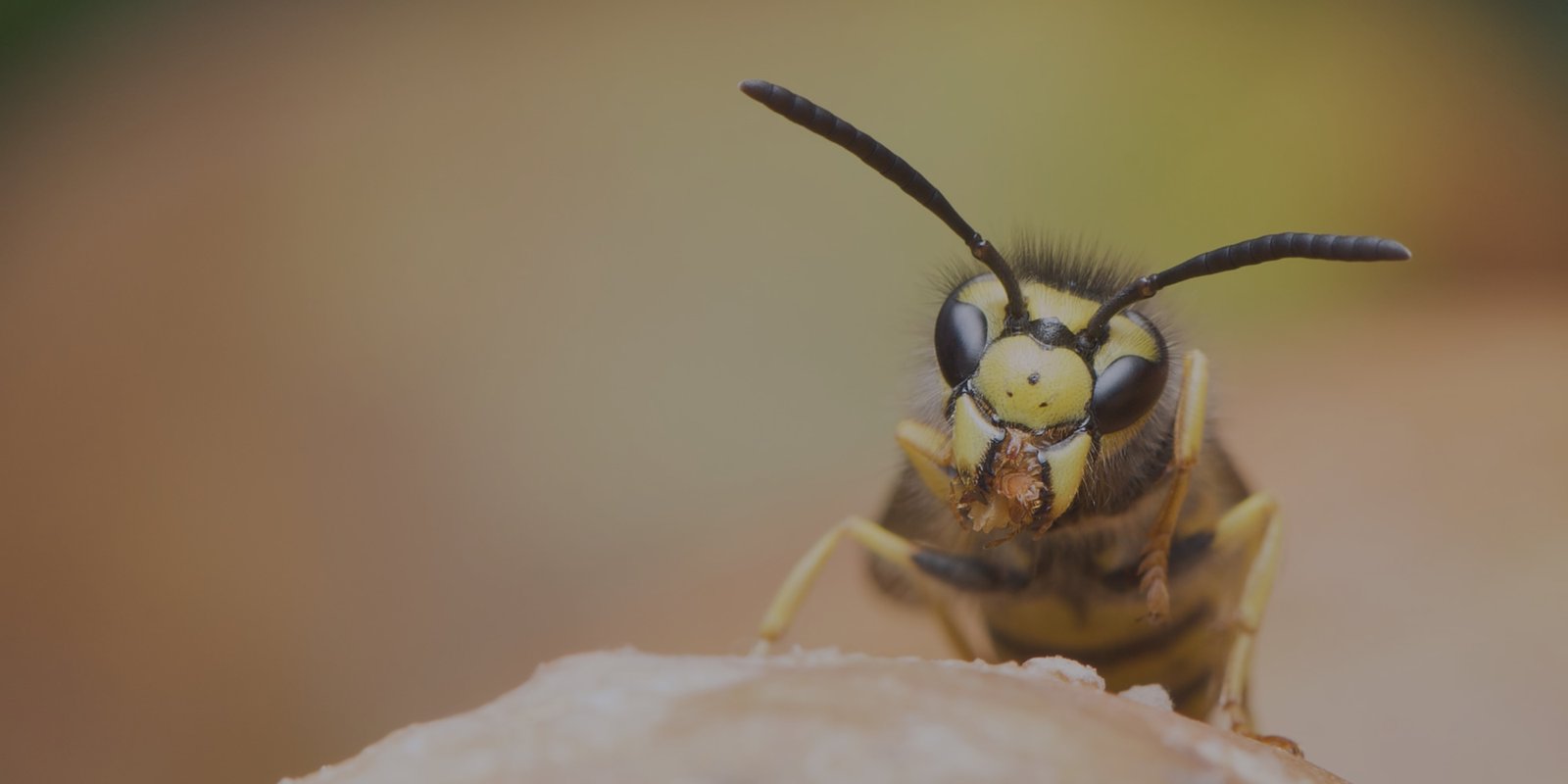
When Wasps Build a Nest Near Your Property: Prevention and Solutions
Introduction
Finding wasps repeatedly entering the same gap in a roof, wall or garden structure can be a sign that a nest has been established nearby. While occasional wasps visiting flowers or outdoor spaces are usually part of normal seasonal activity, a colony nesting close to a home or business can create a different set of concerns. Increased insect activity around entrances, windows, gardens and outdoor seating areas may make everyday activities uncomfortable and potentially unsafe.
The important thing is to recognise the difference between individual wasps searching for food and repeated movement associated with a nest. Understanding where colonies develop, why they choose particular locations and how to respond safely can help property owners avoid unnecessary risks.
Why Wasps Establish Nests Around Buildings
Wasps generally look for sheltered locations where a nest can remain protected from harsh weather and disturbance. Buildings provide many suitable spaces, including roof cavities, lofts, wall voids, sheds and covered outdoor structures.
During spring, a queen that has survived the winter begins searching for a nesting site. Once she finds a suitable location, she starts building a small nest and raises the first generation of workers. These workers gradually take over the tasks of expanding and maintaining the colony.
As the season progresses, the nest may become larger and wasp activity more noticeable. A small opening that initially attracts little attention can eventually become a busy flight route as workers repeatedly travel between the nest and nearby food sources.
Common nesting locations include:
- Roof spaces and lofts.
- Gaps beneath roof tiles and eaves.
- Wall cavities and structural voids.
- Garden sheds and garages.
- Covered porches and outbuildings.
- Dense hedges and sheltered garden areas.
Because many nests are hidden inside structures, their presence may not become obvious until wasps begin entering and leaving through a particular opening.
How to Recognise a Possible Wasp Nest
The most useful early clue is often repeated movement around one specific point. If several wasps regularly enter and leave the same small opening, there may be a nest inside the structure.
Other signs can include increased wasp activity around a roofline, unusual buzzing behind walls or visible nest material in an accessible sheltered area. However, wasps may also gather around food, flowers and rubbish, so their presence alone does not confirm that a nest is nearby.
Property owners should observe activity from a safe distance rather than approaching the suspected location. Watching the direction of flight can provide useful information for a professional inspection without disturbing the colony.
It is also worth considering whether activity changes throughout the day. Wasps may be more noticeable when workers are actively searching for food, particularly during warmer weather. Repeated observations can help establish whether the activity is concentrated around one location.
Understanding the Risks of an Established Colony
Wasps play a useful role in the environment. They help control populations of other insects and contribute to natural ecological processes. Nevertheless, a nest positioned close to people can create practical safety concerns.
Wasps may become defensive when someone gets too close to their nest or attempts to disturb it. A colony can respond to perceived threats, making an accidental encounter particularly unpleasant.
The risks may be greater when nests are located near:
- Main entrances and frequently used doorways.
- Children’s play areas and garden seating.
- Outdoor dining spaces.
- Workplace access routes.
- Windows that are regularly opened.
- Areas where pets spend time.
A sting can cause pain, redness and swelling. Some individuals may experience an allergic reaction, which can become a medical emergency. Difficulty breathing, swelling of the tongue or throat, dizziness or collapse after a sting requires immediate emergency medical attention.
For this reason, a nest should not be treated as an ordinary household maintenance issue when it is close to occupied areas.
Why DIY Nest Removal Can Be Dangerous
Trying to remove a wasp nest without suitable equipment and experience can expose people to unnecessary danger. Spraying a nest from close range, hitting it with an object or attempting to remove it manually may provoke defensive behaviour.
Blocking the entrance is not a reliable alternative. Wasps may attempt to find another route, potentially entering the building through an internal opening or emerging somewhere unexpected.
There are also risks associated with reaching nests in elevated or enclosed locations. Climbing ladders, opening roof spaces or reaching into wall cavities while wasps are active can lead to falls or multiple stings.
Household insect sprays may not reach the centre of a concealed nest. An unsuccessful attempt can leave the colony active while making subsequent access more difficult.
The safest approach is to keep people and pets away from the affected area and arrange an assessment by a suitable pest management professional.
What Professional Wasp Nest Removal Involves
Professional Wasp nest removal begins with assessing the location and level of activity. A specialist can examine the wasps’ flight patterns, identify the likely nesting point and consider how accessible the area is.
The treatment method depends on the nest’s position, the surrounding environment and the risks to people nearby. A nest in an exposed location may require different precautions from one concealed inside a roof space or wall cavity.
A professional may consider several factors before deciding how to proceed:
- Nest location: Establishing whether the colony is inside a building, beneath a roof or in an outdoor structure.
- Accessibility: Determining whether the location can be approached safely.
- Activity level: Assessing how frequently wasps are entering and leaving.
- Surrounding conditions: Considering nearby entrances, windows, pets and public access.
- Suitable treatment: Selecting an appropriate method and explaining any precautions required.
The work should be carried out using suitable equipment and responsible treatment practices. Property owners should follow the specialist’s instructions about keeping away from the area and any necessary precautions after treatment.
What Happens After Treatment?
Treatment is an important step, but property owners should not assume that every wasp will disappear immediately. Activity around a treated location may continue for a period as returning workers come back to the area.
The professional carrying out the work can explain what level of activity may be expected and when the location can be approached again. It is important to follow this guidance rather than attempting to remove nest material or inspect the opening prematurely.
Where a nest has been located inside a roof or wall cavity, further building maintenance may sometimes be considered once the area is safe. Any repair should be planned carefully so that it does not create another access problem or interfere with the structure.
If wasps continue entering and leaving the same location after the expected treatment period, the property owner should contact the pest management provider for advice.
Preventing Future Nesting Opportunities
No property can be made completely immune to wasps, but regular maintenance can reduce the number of suitable nesting locations and help identify developing activity earlier.
A useful starting point is to inspect accessible external areas during spring. Roof edges, sheds, garages, covered structures and sheltered corners should be included in routine checks.
Other preventative measures include:
- Repairing damaged external fittings and suitable gaps in building materials.
- Maintaining sheds, garages and other outdoor structures.
- Keeping rubbish bins covered.
- Removing fallen fruit from gardens.
- Cleaning sugary spills around outdoor dining areas.
- Keeping food and drinks covered when eating outside.
- Monitoring repeated wasp activity around the same opening.
These measures help reduce some of the conditions that attract wasps, although they cannot guarantee that a queen will not choose a sheltered location on the property.
Choosing a Suitable Pest Management Professional
When a nest is close to a home or business, selecting an experienced provider is an important decision. Property owners should look for a service that explains its inspection process, treatment approach and safety precautions clearly.
A reliable professional should be willing to discuss the nest’s location, the level of activity and the practical steps required before and after treatment. It is also useful to ask whether follow-up advice is available if wasps continue appearing around the affected area.
Searching for a local Wasp Exterminator can help property owners find assistance when a colony creates a concern. The priority should be a suitable assessment and a safe response rather than choosing a provider based only on promises of instant results.
Protecting Homes, Gardens and Workplaces
Wasp activity can affect more than the immediate area around a nest. A colony near a garden entrance may discourage people from using outdoor spaces, while a nest close to a business entrance can create difficulties for employees and visitors.
Landlords and property managers should take reports of repeated wasp activity seriously, particularly when tenants or customers regularly use the affected area. Businesses with outdoor seating, food preparation or customer access should also have a clear process for reporting suspected nests and restricting access when necessary.
The most effective response combines early recognition, sensible prevention and professional attention when a nest is established in an unsuitable location.
Conclusion
Wasps are a natural part of the environment, but their nests can become a safety concern when built close to occupied buildings and frequently used outdoor spaces. Recognising repeated flight activity, understanding common nesting locations and avoiding attempts to disturb colonies are important first steps.
Professional assessment helps establish the location of a nest and determine the appropriate treatment. Afterward, routine property maintenance and sensible outdoor hygiene can help reduce future nesting opportunities.
By responding early and avoiding unsafe removal attempts, homeowners and businesses can manage wasp problems more confidently while protecting the people who use their properties.