How to Match Your Wedding Flowers to Your Dress
Your wedding dress and your flowers will appear together in almost every photograph of the day, from the first look to the last dance. Yet many couples choose them months apart, with different people, and only see them side by side on the morning of the ceremony. A little coordination early on makes a remarkable difference. This guide explains how to pair bridal and bridal party flowers with the gown, the setting and the overall mood of the celebration, so everything looks intentional rather than accidental.
Start with the silhouette of the dress
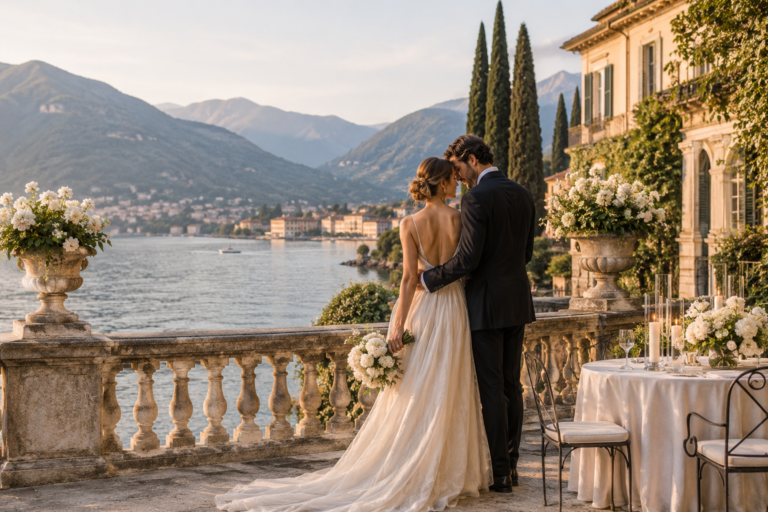
The shape of the gown should guide the shape and scale of the bouquet. A dramatic ball gown with a full skirt can carry a large, generous bouquet without looking overwhelmed; a small posy can look lost against that volume. A sleek sheath or slip dress, on the other hand, pairs beautifully with a slim, hand-tied bouquet or a single-variety arrangement of calla lilies or garden roses. Mermaid and trumpet gowns, which highlight the waist and hips, look best with a bouquet that is held lower and does not hide those lines; a loose, slightly trailing design works well here. For A-line dresses, the most versatile shape of all, almost any bouquet style is possible, so you can choose based on the venue and your personal taste.
Consider fabric and detail
Fabric matters as much as shape. Heavy satin and mikado look formal and structured, and they suit polished, rounded bouquets with tightly arranged roses or peonies. Flowing chiffon, tulle and organza call for airier designs with movement, such as garden roses mixed with sweet peas, cosmos or trailing jasmine. Lace gowns often look lovely with textured flowers like ranunculus, astilbe and scabiosa, which echo the intricacy of the lace. If your dress has beading, embroidery or a statement belt at the waist, choose a bouquet that sits slightly lower or to the side so the detail remains visible in photographs.
Choosing a color palette that flatters
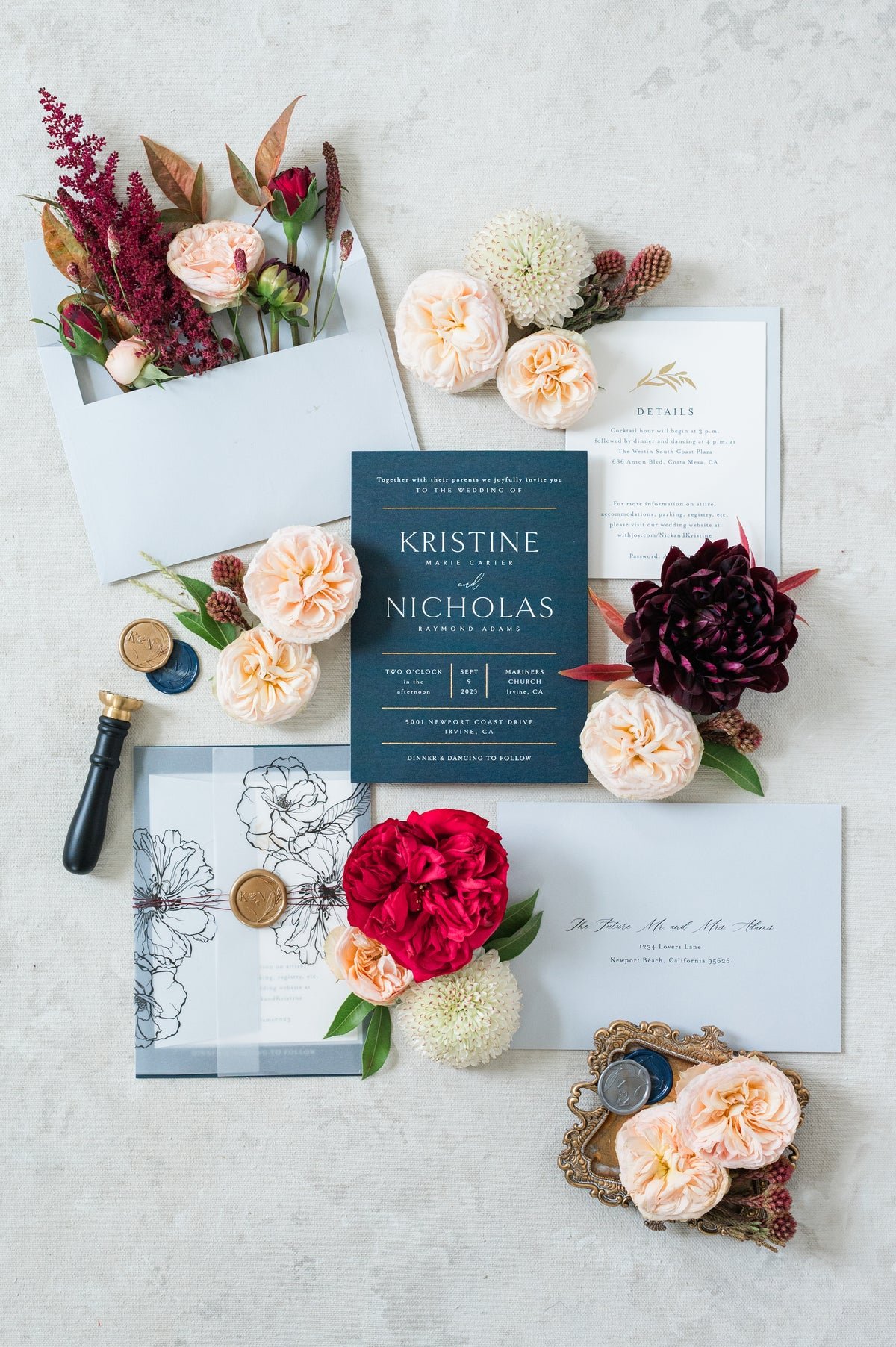
White on white can be breathtaking, but it helps to know that bridal whites vary. A bright, optic-white gown can make ivory flowers look slightly yellow, while an ivory or champagne gown can make pure white roses look stark. Bring a fabric swatch to your florist so they can match the tones. Soft blush, peach and cream are flattering against almost every shade of white. If you want color, consider repeating one accent from elsewhere in the wedding, such as the bridesmaids’ dresses, the invitation suite or the table linens, rather than introducing something entirely new.
Skin tone and hair color can play a role too. Warm complexions often glow next to peach, coral and terracotta, while cooler undertones look striking with lavender, dusty blue and deep berry shades. A good florist will suggest a palette that complements you as well as the décor.
Coordinating the bridal party
Bridesmaids’ bouquets do not need to be miniature copies of the bridal bouquet. In fact, the most elegant weddings often give the bride a distinctive design and the bridesmaids a simpler, related version. Common approaches include:
- Same flowers, smaller scale: the bride carries a full bouquet of garden roses and ranunculus, while bridesmaids hold compact posies of the same blooms.
- Same palette, different flowers: bridesmaids carry blooms in matching colors but in a more casual mix.
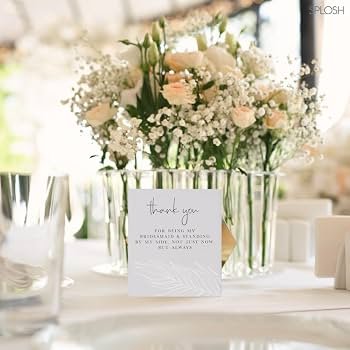
- Single-variety bouquets: each bridesmaid holds a bouquet of one flower, such as all-white hydrangeas, creating a clean, modern look.
- Coordinated with dresses: when bridesmaids wear varied colors, a neutral palette of white and green ties everything together.
Do not forget boutonnieres for the groom, groomsmen and fathers, and corsages for mothers and grandmothers. These small pieces should repeat a flower or color from the bridal bouquet so the whole party feels connected in photos.
Seasonal choices for a fresher result
Choosing flowers in season usually means better quality, longer life and a more reasonable price. Spring brides can enjoy peonies, ranunculus, tulips, lilac and sweet peas. Summer offers garden roses, dahlias, lisianthus and hydrangeas. Autumn brings rich chrysanthemums, dahlias, amaranthus and roses in caramel and burgundy shades. Winter weddings look magical with white anemones, amaryllis, hellebores and evergreen accents. If you have your heart set on a flower that is out of season, ask your florist about imported options and their cost, or about a look-alike that is in season.
Practical details on the day
A beautiful bouquet still needs to be practical. Ask your florist about weight, especially for cascade designs, which can become heavy over a long ceremony and photo session. Keep the bouquet in water until the last possible moment, and hold it at hip level rather than chest level for the most flattering photos. If you plan to toss a bouquet at the reception, order a smaller toss bouquet so you can keep or preserve the original. Many brides now preserve their bouquets by drying or pressing them, so let your florist know if you plan to do this; some flowers dry much better than others.
Bringing it all together
The best wedding flowers feel like a natural extension of the bride and the celebration. Bring photos of your dress, fabric swatches, your color palette and images of your venue to your consultation. A thoughtful florist will translate those details into a cohesive plan that includes the bridal bouquet, the bridal party and the ceremony and reception décor. To see how this comes together in real weddings, browse these wedding florals designed for celebrations across Southern California.
When the dress and the flowers are planned together, the result is a look that feels effortless and timeless, and photographs you will treasure for decades.