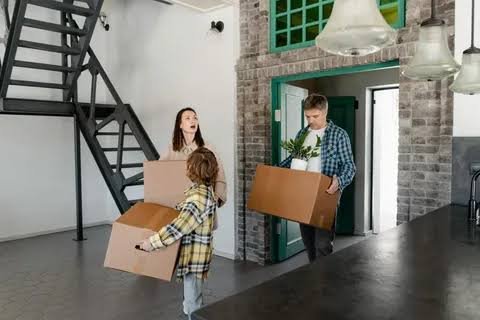
A Complete Guide to Planning a Smooth and Stress Free Relocation
Moving to a new home is an exciting experience that brings new opportunities, fresh surroundings, and a chance to start a new chapter in life. However, the process can also involve several challenges, including packing belongings, organising transportation, managing expenses, and making sure everything arrives safely. Whether someone is relocating to another city or simply changing neighbourhoods, proper preparation can make the entire experience easier.
A successful relocation requires careful planning, time management, and the right resources. By understanding the important steps involved, individuals and families can reduce unnecessary stress and enjoy a more organised experience. From preparing a checklist to unpacking in a new home, every stage deserves attention.
1. Start Planning Early
One of the best ways to make moving easier is to begin planning several weeks in advance. Waiting until the last minute can create confusion and increase the chances of forgetting important tasks. Start by deciding on a suitable relocation date and creating a schedule for everything that needs to be completed.
Write down important responsibilities, such as contacting service providers, arranging transportation, collecting packing materials, and notifying relevant organisations about the address change. Having a clear plan helps you stay organised throughout the process.
2. Create a Moving Budget
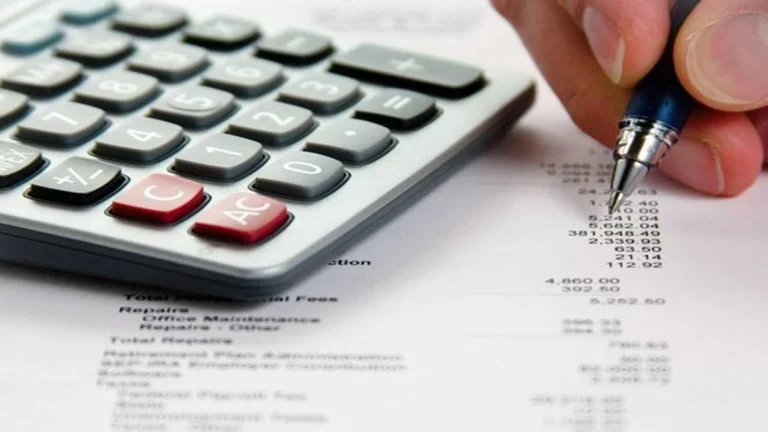
Relocation expenses can increase quickly if they are not managed properly. Before starting the process, prepare a realistic budget that covers transportation, packing supplies, professional services, storage, and other possible costs.
It is also helpful to keep some extra money available for unexpected expenses. Comparing different service providers can help you find affordable solutions without compromising the safety of your belongings.
3. Organise and Declutter Your Belongings
Moving provides an excellent opportunity to organise your possessions. Over time, people collect clothes, furniture, electronics, and household items that they no longer need. Transporting unnecessary belongings can increase costs and make packing more difficult.
Go through each room and separate items into categories. Keep useful possessions, donate items in good condition, and dispose of anything that is damaged or no longer needed. A well organised home makes the relocation process more efficient.
4. Choose the Right Moving Company
Selecting a reliable moving company is an important decision. Professional movers can help with packing, loading, transportation, and unloading, making the entire experience more convenient.
Before hiring a company, research its reputation, customer reviews, available services, and pricing structure. Ask for a detailed estimate and confirm whether insurance or protection options are available. Choosing an experienced provider can help protect valuable belongings during transportation.
5. Use Quality Packing Materials
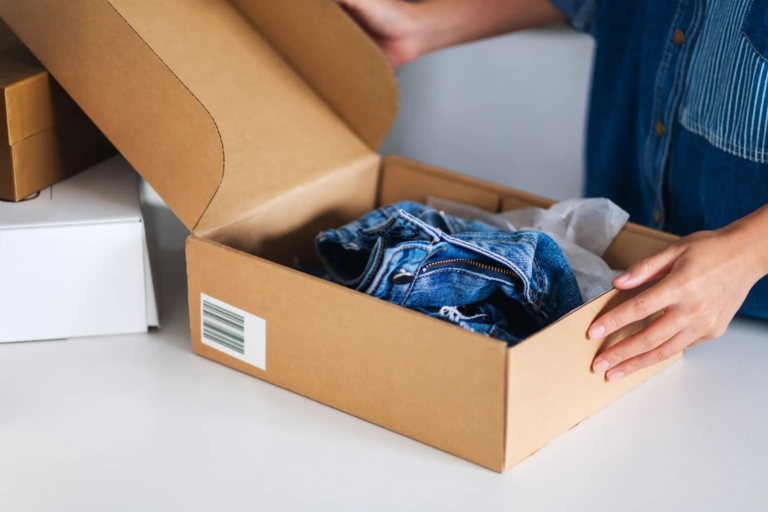
Proper packing protects household possessions from scratches, breakage, and other damage. Use strong cardboard boxes, packing tape, bubble wrap, protective covers, and suitable containers for different items.
Fragile belongings such as glassware, mirrors, and electronic equipment require additional protection. Avoid placing too many heavy objects inside one box because it may become difficult to carry and could break during transportation.
6. Label Every Box Clearly
Labelling boxes is a simple step that can save considerable time during unpacking. Write the destination room and a short description of the contents on each box.
For example, kitchen boxes can contain plates, cooking utensils, and small appliances, while bedroom boxes can include clothing and personal accessories. You can also mark fragile packages to remind movers to handle them carefully.
7. Protect Valuable and Important Items
Personal documents, jewellery, electronic devices, and valuable possessions should receive special attention. Keep passports, identification documents, financial records, and other essential paperwork in a secure bag that remains with you.
It is also a good idea to take photographs of valuable furniture and electronics before transportation. This provides a useful record of their condition before the journey.
8. Prepare Your New Home Before Arrival
Whenever possible, visit your new property before moving day. Check the electricity, water supply, heating, cooling, doors, windows, and other essential facilities.
Cleaning the property before bringing in furniture can also make settling in easier. Measure important spaces to ensure that large furniture items will fit through entrances and into their intended rooms.
9. Manage Moving Day Efficiently
Moving day can become busy, so having a clear schedule is essential. Keep your checklist nearby and make sure everyone understands their responsibilities.
Start early and ensure that boxes are packed before the transportation team arrives. Keep essential items, snacks, drinking water, and important documents easily accessible. Before leaving, inspect every room, cupboard, and storage area to make sure nothing has been forgotten.
10. Unpack and Organise Your New Space
After arriving, avoid unpacking everything at once. Begin with essential items such as bedding, toiletries, kitchen supplies, and everyday clothing. Once the basic necessities are organised, move on to furniture, decorations, and less frequently used belongings.
Unpacking room by room helps maintain order and prevents unnecessary mess. Take your time arranging furniture and creating a comfortable environment that suits your daily routine.
11. Update Your Address and Essential Services
After relocating, remember to update your address with banks, insurance providers, delivery companies, government organisations, and other important services.
Arrange internet installation, electricity accounts, water services, and any other utilities required at your new property. Completing these administrative tasks early helps avoid interruptions and ensures a smooth transition.
12. Settle Into Your New Community
Relocating is not only about transporting belongings from one property to another. It is also an opportunity to become familiar with a different environment.
Explore nearby shops, healthcare facilities, schools, parks, and public transportation options. Introducing yourself to neighbours can also help you build positive relationships and feel more comfortable in your surroundings.
Conclusion
Moving to a new home requires preparation, organisation, and careful decision making. From creating a realistic budget and selecting professional movers to packing belongings and arranging essential services, every step contributes to a successful relocation.
Starting early, keeping important items secure, and following a structured checklist can reduce stress and prevent common problems. With the right approach, moving becomes more manageable and allows individuals and families to focus on enjoying their new homes and opportunities.