How to Build a Vibrant Personal Style with the Right Color Palette
Personal style is more than choosing fashionable clothing or following the latest trends. It is about understanding what makes you feel confident and expressing your personality through clothing, makeup, accessories, and color combinations. One of the most effective ways to create a coordinated and attractive appearance is by choosing a color palette that complements your natural features.
The right colors can bring balance to your overall look, highlight your eyes, and help different wardrobe pieces work together. However, finding suitable shades can be challenging when countless colors are available in fashion and beauty collections.
Professional color analysis provides a practical way to discover colors that harmonize with your skin tone, hair, and eyes. For individuals exploring color analysis NYC services, a personalized consultation can offer useful guidance for building a wardrobe and developing a distinctive style.
Why Color Plays an Important Role in Personal Style
Color influences how clothing and accessories work together. Even a simple outfit can look more coordinated when its shades complement one another. Similarly, an unsuitable color combination may make an outfit appear disconnected, even when every individual item is stylish.
Understanding your personal color preferences can help you:
- Create outfits that look balanced and coordinated.
- Choose clothing that complements your natural features.
- Develop a recognizable personal style.
- Make better shopping decisions.
- Select makeup shades that work with your complexion.
- Coordinate accessories with different wardrobe pieces.
- Experiment with fashion trends more confidently.
A personal color palette does not mean wearing the same shades every day. Instead, it gives you a foundation for exploring different combinations while maintaining a consistent appearance.
Understanding Professional Color Analysis
Professional color analysis NYC is a styling method that identifies colors that complement your natural appearance. A specialist evaluates several characteristics to determine which shades create visual harmony.
The assessment generally focuses on the following factors:
Skin Undertone: Identifies whether your complexion has warm, cool, or neutral characteristics.
Hair Color: Considers the natural depth and warmth or coolness of your hair.
Eye Color: Examines the shades and intensity of your eyes.
Contrast Level: Evaluates the difference between your skin, hair, and eye colors.
Color Clarity: Determines whether bright, clear colors or softer, muted shades are more suitable.
These characteristics help a specialist recommend a personal color palette. Many professionals also use seasonal color analysis to organize suitable shades into Spring, Summer, Autumn, and Winter categories.
Discovering Your Seasonal Color Palette
Seasonal color analysis is a popular approach to understanding personal coloring. Each season represents a different combination of warmth, depth, and color intensity.
Spring: Fresh and Energetic Colors
Spring palettes generally include warm, bright, and lively shades. These colors can create a fresh appearance and work well for individuals whose natural coloring suits warm and clear tones.
Common Spring colors include:
- Peach
- Coral
- Golden yellow
- Light turquoise
- Fresh green
- Warm ivory
- Light camel
For a vibrant outfit, you might combine a coral blouse with cream trousers or wear a light turquoise top with neutral accessories.
Makeup options can include peach blush, warm pink lipstick, and golden eyeshadow.
Summer: Soft and Elegant Colors
Summer palettes usually feature cool, muted, and gentle shades. These colors can create a balanced appearance without looking overly intense.
Popular Summer colors include:
- Lavender
- Dusty rose
- Powder blue
- Soft gray
- Muted sage
- Cool pink
- Periwinkle
You can combine dusty rose with soft gray for a relaxed outfit or wear lavender with cool neutral shades for a more polished appearance.
Silver jewelry and soft-colored accessories can also complement this palette.
Autumn: Warm and Earthy Colors
Autumn palettes focus on rich, warm, and natural shades. They are often associated with earthy landscapes and deeper seasonal colors.
Common Autumn colors include:
- Terracotta
- Rust
- Mustard yellow
- Olive green
- Chocolate brown
- Camel
- Deep teal
These shades can create attractive combinations for casual clothing, professional outfits, and layered seasonal looks.
For example, olive trousers paired with a cream shirt and camel jacket can create a coordinated outfit.
Winter: Bold and Sophisticated Colors
Winter palettes generally include cool, deep, and vivid colors. They can create striking combinations, especially when used with strong contrasts.
Popular Winter shades include:
- Royal blue
- Emerald green
- Fuchsia
- Burgundy
- Black
- Pure white
- Deep purple
A royal blue dress, emerald jacket, or black-and-white outfit can provide a bold styling option.
These colors can also work well for statement accessories and formal occasions.
How to Build a Vibrant Wardrobe with Your Color Palette
Once you understand your personal palette, you can use it to create a wardrobe that offers more flexibility and coordination.
Start with Essential Clothing Pieces
Begin by identifying basic clothing items that can be combined with several other pieces.
Useful wardrobe essentials include:
- Neutral trousers
- Classic shirts
- Versatile jackets
- Comfortable sweaters
- Everyday dresses
- Basic tops
- Suitable outerwear
Choose these items in neutral shades that complement your personal palette. Depending on your coloring, suitable options may include navy, cream, beige, charcoal, or chocolate brown.
Introduce Vibrant Colors Gradually
A vibrant personal style does not require wearing bright colors from head to toe. You can introduce stronger shades through individual clothing pieces.
For example, pair neutral trousers with a coral top, wear an emerald jacket over a simple outfit, or choose a burgundy dress for a special occasion.
This approach helps you experiment with color while maintaining balance.
Create Complementary Color Combinations
Understanding basic color combinations can make outfit planning easier.
Some useful combinations include:
- Navy and dusty rose
- Olive green and cream
- Terracotta and beige
- Emerald and black
- Lavender and soft gray
- Camel and chocolate brown
You can adapt these combinations according to your personal palette and styling preferences.
Choosing Makeup That Complements Your Personal Colors
Makeup is an important part of personal styling because the shades you choose can influence how your overall appearance comes together.
Professional color analysis New York services may include recommendations for lipstick, blush, eyeshadow, and foundation undertones.
Foundation and Concealer
Foundation should blend naturally with your complexion. Understanding your undertone can help narrow down suitable products.
- Warm undertones may suit golden or yellow-based foundation shades.
- Cool undertones may work well with pink or rosy-based options.
- Neutral undertones may benefit from balanced foundation shades.
Always test foundation in appropriate lighting and consider how it looks against your neck and natural skin color.
Lipstick and Blush
Lipstick and blush can introduce color while complementing your natural features.
Some general options include:
- Peach and coral for warm palettes.
- Dusty pink and mauve for cooler palettes.
- Terracotta and brick red for earthy palettes.
- Berry and cool red for deeper, cooler palettes.
You can experiment with different intensities depending on whether you prefer natural everyday makeup or a more dramatic look.
Eyeshadow Choices
Eyeshadow can add depth and highlight your eye color.
Warm palettes may include bronze, copper, and golden brown. Cooler palettes may feature lavender, taupe, charcoal, and soft gray. Neutral shades can provide flexibility for different occasions.
The goal is to select makeup that complements your natural features while reflecting your preferred beauty style.
Using Accessories to Complete Your Look
Accessories can make an outfit more interesting and help connect different colors. Jewelry, handbags, scarves, shoes, and eyewear all contribute to the overall appearance.
Jewelry and Metal Tones
Gold, silver, bronze, and rose gold offer different styling possibilities.
Traditional color analysis often associates warm coloring with gold and bronze, while cooler coloring may complement silver and platinum tones. Neutral coloring can provide more flexibility.
However, personal preference should always remain important when choosing jewelry.
Handbags and Shoes
Handbags and shoes can either coordinate with your clothing or introduce a contrasting color.
Neutral shades such as black, beige, brown, and navy are versatile options. More expressive choices, including burgundy, emerald, and teal, can add personality to simple outfits.
Scarves and Eyewear
Scarves are useful for introducing color near the face. Choosing a shade from your personal palette can help create a coordinated appearance.
Eyewear also offers an opportunity to express personal style. Frame colors such as black, tortoiseshell, champagne, silver, and deep blue can create different effects depending on your features and clothing choices.
How to Mix and Match Colors Without Overcomplicating Your Style
Creating colorful outfits does not have to be complicated. A few simple styling techniques can help you combine shades confidently.
Use a Neutral Base: Start with neutral clothing and introduce one or two stronger colors through tops, jackets, or accessories.
Try Similar Color Families: Combine different shades of the same color, such as light blue, navy, and deep blue.
Experiment with Complementary Colors: Explore combinations that create contrast, such as blue and orange or green and red, while adjusting their intensity.
Balance Bright and Muted Shades: Pair a vivid item with softer colors to keep the outfit visually balanced.
Repeat Colors: Use the same shade in more than one part of an outfit, such as matching a handbag with a scarf or shoes.
These techniques can help you create interesting combinations without making your appearance feel overly complicated.
How Professional Color Analysis Can Improve Your Style
Although online color charts and fashion advice can provide inspiration, professional color analysis offers a more personalized assessment.
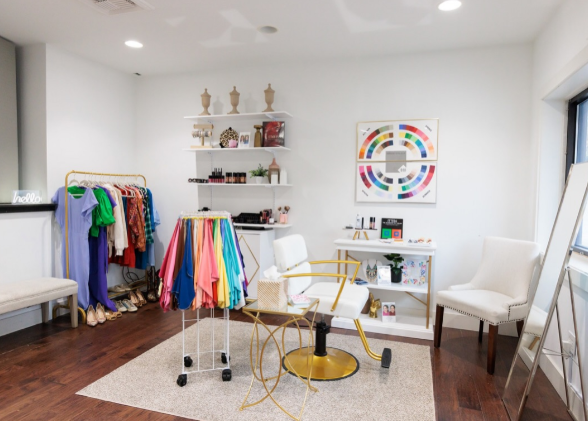
During a consultation, a specialist may use fabric draping to compare different shades under suitable lighting. This helps evaluate how warm, cool, bright, muted, light, and deep colors interact with your natural features.
When exploring color analysis NYC services, consider specialists who provide practical recommendations rather than only assigning a seasonal category.
A useful consultation may include:
- Personal undertone assessment
- Seasonal color classification
- Fabric draping
- Clothing color recommendations
- Makeup shade guidance
- Accessory and jewelry suggestions
- Hair color considerations
- Digital or physical color palette
These recommendations can help you apply your color analysis results to everyday styling.
Common Mistakes to Avoid When Building a Personal Color Palette
Developing a vibrant personal style takes experimentation. However, certain mistakes can make the process more confusing.
Avoid these common habits:
- Following every fashion trend without considering personal preferences.
- Purchasing clothing in colors that do not coordinate with your existing wardrobe.
- Choosing makeup based only on product packaging.
- Wearing too many strong colors without considering balance.
- Ignoring accessories when planning an outfit.
- Assuming your seasonal palette prevents you from wearing other colors.
- Changing your entire wardrobe immediately after a color analysis session.
Instead, make gradual changes and focus on combinations that suit your lifestyle and comfort.
Tips for Maintaining a Consistent Personal Style
Building a personal style is an ongoing process. Your preferences may change, new fashion trends may inspire you, and your wardrobe may evolve over time.
To maintain a consistent appearance, organize your clothing by color, identify your most useful combinations, and keep versatile basics available.
You can also create a small collection of outfit ideas for work, casual activities, and special occasions. This makes getting dressed easier while allowing you to experiment with different shades.
When shopping, consider whether a new item complements your existing clothing and whether you can style it in several ways.
Most importantly, use your personal color palette as a guide rather than a restriction. The best personal style is one that reflects your personality and makes you feel comfortable.
Conclusion
Building a vibrant personal style starts with understanding how colors influence your clothing, makeup, and accessories. A suitable color palette can help you create coordinated outfits, select complementary beauty products, and make more confident fashion decisions.
Professional color analysis New York services can help identify your natural color characteristics and provide personalized recommendations for everyday styling. By exploring seasonal palettes, understanding undertones, and experimenting with suitable combinations, you can develop a wardrobe that feels both expressive and balanced.
Whether you prefer bold fashion statements or simple everyday outfits, the right color palette can provide a useful foundation for creating a distinctive personal style.